Parmigiano Reggiano is a premium cheese produced solely in certain Italian regions, including Parma, Reggio Emilia, Modena, Bologna, and Mantua. The farms in these areas adhere to stringent cattle feeding guidelines, ensuring only locally sourced forage is used. This excludes silage, fermented feeds, or animal flour, preserving the cheese’s quality and authenticity.
The cheese-making process entails transferring milk into copper vats, incorporating rennet and whey starter, fragmenting the curd into granules using a 'spino' tool, and then cooking at 55 degrees Celsius. The granules are formed into a mass, shaped into twin wheels, wrapped in linen, and placed in moulds for shaping.
Each wheel receives a casein plate with a unique code, providing full traceability. A marking band then records the production month and year, the cheese factory number, and dotted inscriptions around the wheel’s edge, verifying its authenticity.
The wheels are then salted through osmosis in a water and salt solution, concluding the production and beginning the maturation phase. In this period, the cheese acquires its distinctive flavours and textures, culminating in the celebrated Parmigiano Reggiano. This maturation is vital for the cheese’s quality and taste, culminating in a product cherished by connoisseurs globally.
The maturation of Parmigiano-Reggiano is a deliberate process, aligned with the natural cycle of the seasons.
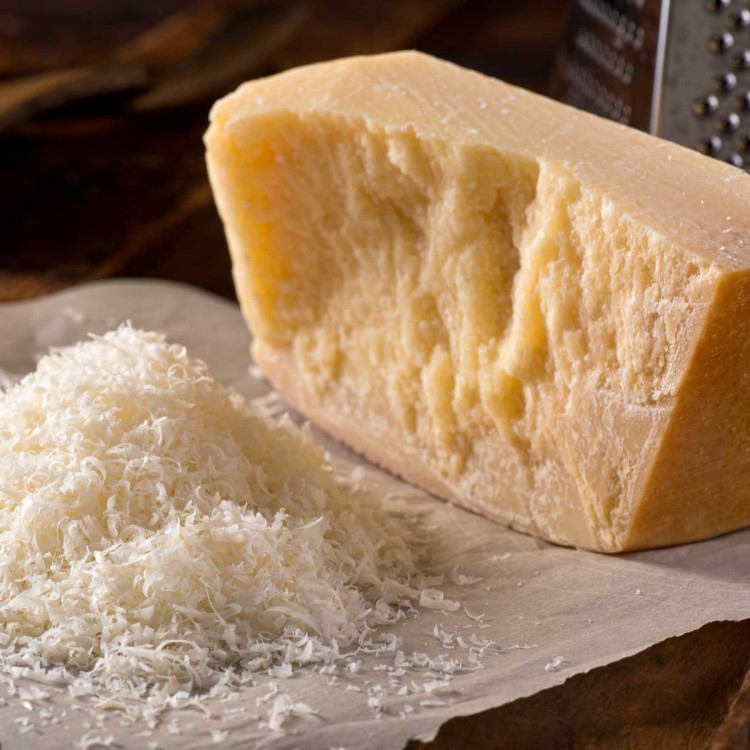
The cheese offers a diverse array of flavours that include sweet, nutty, earthy, and grassy notes. The colour of the cheese can also change based on the aging process, ranging from a soft white-yellow to a warm golden-brown. An interesting characteristic of this cheese is its granular texture, which allows it to dissolve effortlessly in the mouth.
Parmigiano Reggiano is a premium cheese produced solely in certain Italian regions, including Parma, Reggio Emilia, Modena, Bologna, and Mantua. The farms in these areas adhere to stringent cattle feeding guidelines, ensuring only locally sourced forage is used. This excludes silage, fermented feeds, or animal flour, preserving the cheese’s quality and authenticity.
The cheese-making process entails transferring milk into copper vats, incorporating rennet and whey starter, fragmenting the curd into granules using a 'spino' tool, and then cooking at 55 degrees Celsius. The granules are formed into a mass, shaped into twin wheels, wrapped in linen, and placed in moulds for shaping.
Each wheel receives a casein plate with a unique code, providing full traceability. A marking band then records the production month and year, the cheese factory number, and dotted inscriptions around the wheel’s edge, verifying its authenticity.
The wheels are then salted through osmosis in a water and salt solution, concluding the production and beginning the maturation phase. In this period, the cheese acquires its distinctive flavours and textures, culminating in the celebrated Parmigiano Reggiano. This maturation is vital for the cheese’s quality and taste, culminating in a product cherished by connoisseurs globally.
The maturation of Parmigiano-Reggiano is a deliberate process, aligned with the natural cycle of the seasons.
The cheese offers a diverse array of flavours that include sweet, nutty, earthy, and grassy notes. The colour of the cheese can also change based on the ageing process, ranging from a soft white-yellow to a warm golden-brown. An interesting characteristic of this cheese is its granular texture, which allows it to dissolve effortlessly in the mouth.
16 other products in the same category:
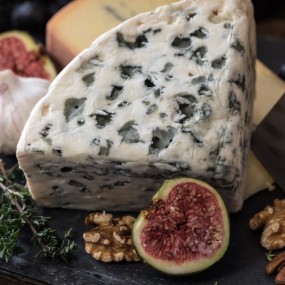
The cheese features a moist, crumbly paste with a rich, creamy mouthfeel and a strong, pungent aroma. Roquefort Société has a protected designation of origin (PDO) status, ensuring it is produced...
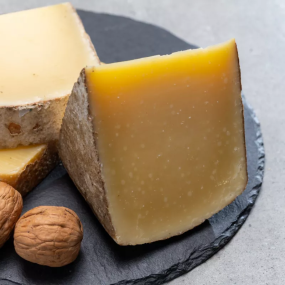
Aged for a minimum of 4 months, but often matured for 12, 24, or even 36 months, Comté develops a complex flavour profile that can include notes of buttered hazelnuts, caramel, toasted bread, and a...
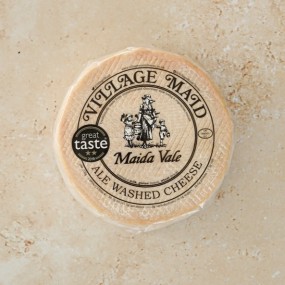
Maida Vale incorporates a 'washed-curd' method, whereby during the make, some of the whey is removed and replaced with water. This results in a less acidic cheese which is milder in flavour than a...
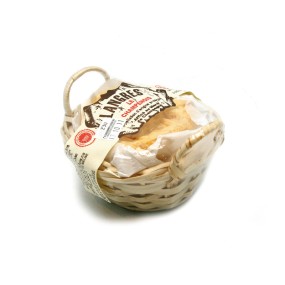
Made from cow’s milk, Langres Champenois is aged for a minimum of 15 days, during which it is regularly washed in brine to develop its signature deep orange, wrinkled rind. Unlike many washed-rind...
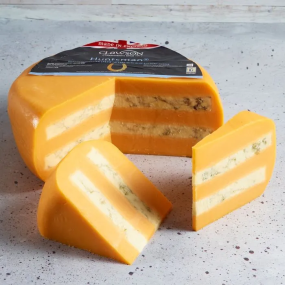
Double Gloucester is a firm, mellow and tangy cheese made only from the milk of Gloucester cows in southwestern England while Stilton Blue cheese is a blue-veined, strong, smooth and creamy cheese...
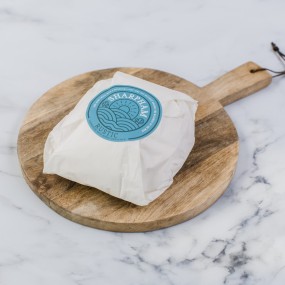
It was first created by Robin Condon and later moved to Sharpham's when Robin decided to focus on blue cheeses. The curd is carefully packed into moulds to achieve its unique rustic shape and then...
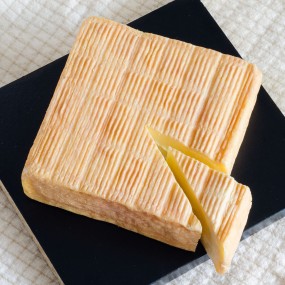
Aged for a minimum of four weeks, Maroilles develops a sticky, deep orange-hued rind, the result of regular washing with brine to encourage the growth of Brevibacterium linens, which gives the...
Parmigiano Reggiano is a premium cheese produced solely in certain Italian regions, including Parma, Reggio Emilia, Modena, Bologna, and Mantua. The farms in these areas adhere to stringent cattle feeding guidelines, ensuring only locally sourced forage is used. This excludes silage, fermented feeds, or animal flour, preserving the cheese’s quality and authenticity.
The cheese-making process entails transferring milk into copper vats, incorporating rennet and whey starter, fragmenting the curd into granules using a 'spino' tool, and then cooking at 55 degrees Celsius. The granules are formed into a mass, shaped into twin wheels, wrapped in linen, and placed in moulds for shaping.
Each wheel receives a casein plate with a unique code, providing full traceability. A marking band then records the production month and year, the cheese factory number, and dotted inscriptions around the wheel’s edge, verifying its authenticity.
The wheels are then salted through osmosis in a water and salt solution, concluding the production and beginning the maturation phase. In this period, the cheese acquires its distinctive flavours and textures, culminating in the celebrated Parmigiano Reggiano. This maturation is vital for the cheese’s quality and taste, culminating in a product cherished by connoisseurs globally.
The maturation of Parmigiano-Reggiano is a deliberate process, aligned with the natural cycle of the seasons.
The cheese offers a diverse array of flavours that include sweet, nutty, earthy, and grassy notes. The colour of the cheese can also change based on the aging process, ranging from a soft white-yellow to a warm golden-brown. An interesting characteristic of this cheese is its granular texture, which allows it to dissolve effortlessly in the mouth.